


Search Engine Optimisation Consulting: How Expert SEO Advice Can Grow Your Business

Your website can be beautifully designed, your products or services can be excellent, and your brand can have a strong reputation — but if potential customers cannot find you online, growth can be difficult.
Search engines are often the first place people go when they are looking for a solution. Whether someone is searching for a local service, comparing providers, researching a product, or looking for answers to a specific problem, appearing in the right search results at the right time can have a significant impact on business growth.
This is where search engine optimisation consulting can help.
SEO consulting provides businesses with expert guidance on how to improve their visibility in search engines, attract more qualified visitors, and create a long-term strategy for sustainable organic growth. Rather than relying on guesswork, businesses can use data, research, and proven SEO principles to understand what is working, what needs improvement, and where the biggest opportunities exist.
This guide explains what SEO consulting involves, why businesses invest in it, how it differs from traditional SEO services, and what to look for when choosing an SEO partner.
What Is Search Engine Optimisation Consulting?
Search engine optimisation consulting involves working with an SEO specialist or SEO agency to analyse, plan, and improve a website’s ability to rank in search engine results.
Unlike simply making a few technical changes or publishing occasional blog posts, SEO consulting takes a strategic approach. It focuses on understanding how your website currently performs, identifying opportunities for improvement, and creating a roadmap designed around your specific business goals.
A search engine optimisation consultant may review areas such as:
- Website structure and technical performance
- Keyword targeting and search intent
- Competitor visibility
- Content quality and opportunities
- User experience
- Website authority and backlinks
- Local SEO performance
- Conversion opportunities
The goal is not just to increase website traffic. Effective SEO consulting focuses on attracting the right visitors — people who are actively searching for the products or services your business provides.
Why Does SEO Consulting Matter?
Search engine optimisation has become increasingly competitive. Many businesses understand the value of appearing on Google, which means ranking organically requires more than simply adding keywords to a website.
Modern SEO requires a combination of technical knowledge, content strategy, market research, and ongoing analysis.
Without a clear strategy, businesses often make common mistakes such as:
- Targeting keywords that do not attract potential customers
- Creating content without understanding search intent
- Ignoring technical issues affecting rankings
- Focusing only on rankings rather than leads and revenue
- Making website changes without measuring results
SEO consulting helps provide direction. Instead of investing time and resources into activities that may not deliver results, businesses can focus on actions that have the highest potential impact.
The Difference Between SEO Consulting and an SEO Agency
The terms SEO consultant, SEO agency, and search engine optimisation agency are often used interchangeably, but there are some differences.
SEO Consulting
SEO consulting is typically focused on strategy, analysis, and recommendations. A consultant may audit a website, identify opportunities, develop an SEO roadmap, and advise internal teams on implementation.
This approach can work well for businesses that already have marketing resources but need specialist guidance.
SEO Agency Services
An SEO agency usually provides a broader range of ongoing services. This may include strategy, technical optimisation, content creation, link building, reporting, and continuous improvements.
For businesses that want a partner to manage SEO activities over time, working with a search engine optimisation agency can provide a more complete solution.
Many businesses use a combination of both approaches — receiving strategic SEO consulting while having an agency implement the recommendations.
What Does an SEO Consultant Do?
An SEO consultant’s role is to identify opportunities and create a clear plan for improving search visibility.
The process usually begins with research and analysis.
Website SEO Audit
A website audit helps identify technical issues and areas where improvements can be made.
This may include reviewing:
- Website speed and performance
- Mobile usability
- Indexing issues
- Site structure
- Internal linking
- Metadata
- Broken links
- Duplicate content
- Core Web Vitals
Technical issues can prevent search engines from properly understanding and ranking a website. Addressing these foundations is often one of the first steps in improving organic visibility.
Keyword Research and Search Intent Analysis
Keyword research is a critical part of SEO consulting.
A common mistake businesses make is targeting keywords based only on search volume. However, a keyword with fewer searches but stronger buying intent can often generate more valuable results.
For example, someone searching:
"best accounting software"
may still be researching.
Someone searching:
"accountant for small business Auckland"
is likely much closer to contacting a provider.
A strong SEO strategy considers:
- Search volume
- Competition
- User intent
- Commercial value
- Customer journey stage
Competitor Analysis
Understanding competitors is an important part of search engine optimisation consulting.
A competitor analysis helps identify:
- Which keywords competitors rank for
- What content performs well
- Where competitors have stronger authority
- Opportunities they may have missed
This information helps businesses create a strategy based on real market data rather than assumptions.
Content Strategy
Content remains one of the biggest opportunities in SEO when done correctly.
However, successful SEO content is not simply about publishing more articles. Search engines increasingly reward content that demonstrates expertise, answers user questions, and provides genuine value.
An SEO consultant may help identify:
- Blog topics customers are searching for
- Service pages that need improvement
- Content gaps compared with competitors
- Opportunities for featured snippets
- Ways to build topical authority
The best SEO content supports the customer journey — helping people discover your business, understand your expertise, and eventually take action.
Technical SEO Improvements
Technical SEO ensures that search engines can properly crawl, understand, and rank your website.
Important technical areas include:
Website architecture
A clear website structure helps both users and search engines navigate your content.
Mobile optimisation
With the majority of searches happening on mobile devices, a website must provide a strong mobile experience.
Page speed
Slow websites can negatively impact user experience and search performance.
Schema markup
Structured data helps search engines better understand information on your website, such as services, products, reviews, and business details.
Local SEO
For businesses targeting customers in specific locations, local SEO is essential.
A strong local SEO strategy can help businesses appear in location-based searches and Google Maps results.
This may include:
- Optimising Google Business Profile information
- Improving local landing pages
- Building relevant local citations
- Creating location-focused content
- Managing online reviews
For service-based businesses, local SEO can be one of the most effective ways to generate qualified leads.
How Long Does SEO Consulting Take to Produce Results?
One of the most important things to understand about SEO is that it is a long-term investment.
Unlike paid advertising, where visibility can appear immediately once campaigns are launched, SEO improvements typically build over time.
The timeframe depends on factors including:
- Website age and authority
- Competition level
- Current technical health
- Content quality
- Industry competitiveness
- Resources invested into implementation
Some improvements can have relatively quick impacts, such as fixing technical issues or improving existing pages. However, sustainable growth usually comes from consistent optimisation over months rather than days.
How to Choose an SEO Agency or Consultant
Choosing the right SEO partner is important because SEO directly affects your online visibility and customer acquisition.
When evaluating an SEO agency or consultant, consider:
Experience and understanding
A good SEO partner should take time to understand your industry, customers, competitors, and business goals.
Clear reporting
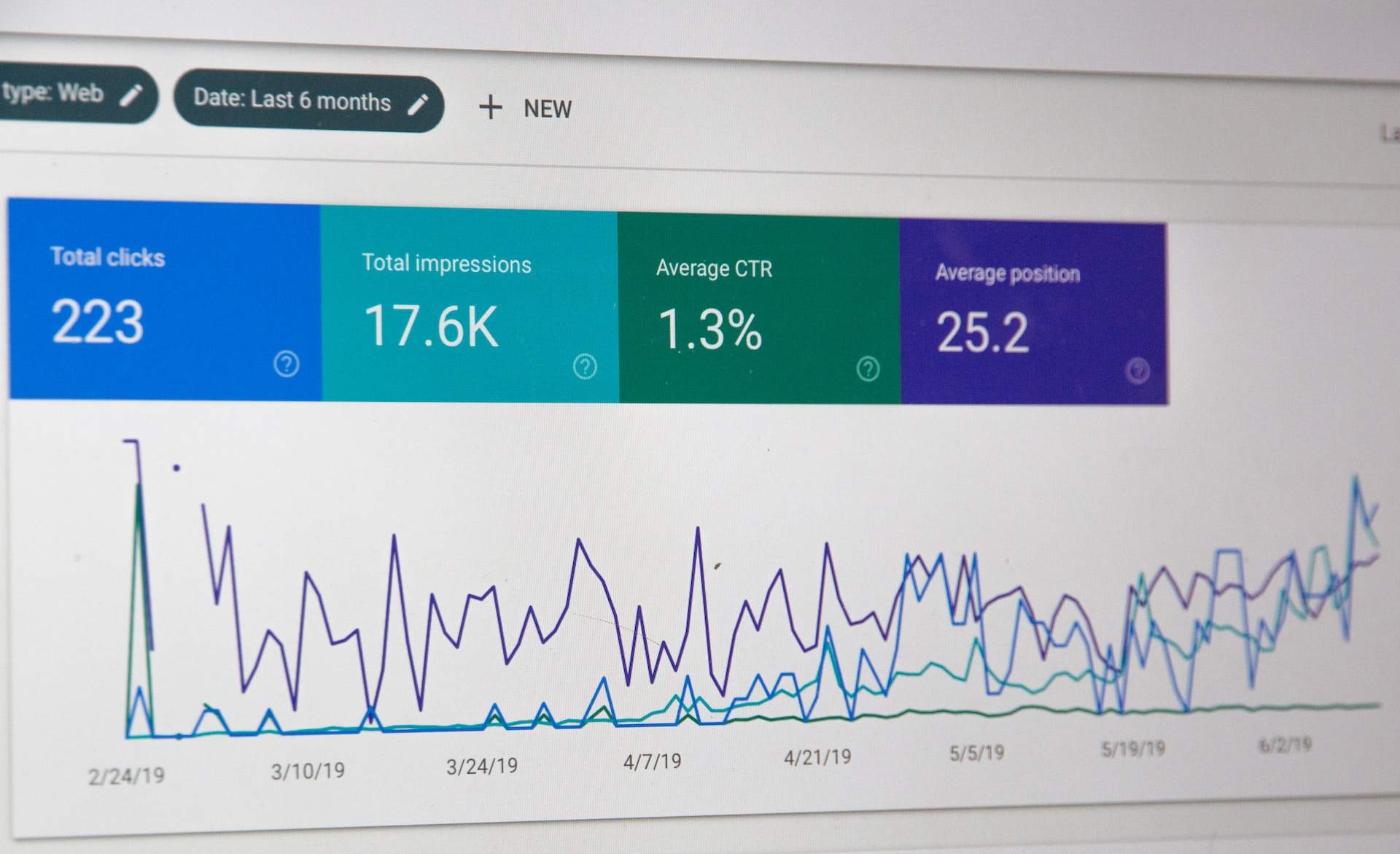
SEO should be measurable. A professional agency should explain what work has been completed, what improvements have been made, and how performance is tracking.
Focus on business outcomes
Ranking improvements are valuable, but they should ultimately contribute to business growth. Look beyond rankings and consider traffic quality, enquiries, sales, and conversions.
A practical strategy
Be cautious of anyone promising instant rankings or guaranteed first-place positions. Search engines use complex algorithms, and sustainable SEO requires ongoing work and adaptation.
Frequently Asked Questions
What does an SEO consultant do?
An SEO consultant analyses a website, identifies opportunities for improvement, and creates strategies to improve organic search visibility and attract more qualified traffic.
How much does SEO consulting cost?
The cost of SEO consulting varies depending on the size of the website, complexity of the industry, and the level of support required. Some businesses need a one-off strategy, while others require ongoing SEO management.
Is SEO consulting worth it?
For businesses that rely on online visibility, SEO consulting can provide valuable insights and direction. A strong SEO strategy can help attract customers who are actively searching for relevant products and services.
What is the difference between SEO and search engine optimisation?
SEO is simply the abbreviation for search engine optimisation. Both terms refer to the process of improving a website’s visibility in search engine results.
Should I hire an SEO agency or consultant?
The right choice depends on your needs. Businesses looking for strategic guidance may benefit from SEO consulting, while businesses wanting ongoing implementation may prefer working with a full-service SEO agency.
How long does SEO take to work?
SEO results vary depending on competition, website quality, and the strategy implemented. Most businesses should expect SEO to be a long-term investment rather than an immediate marketing channel.
Search engine optimisation consulting gives businesses a clearer understanding of how they can improve their online visibility and attract more relevant customers. With the right strategy, SEO becomes more than just ranking higher on Google — it becomes a sustainable way to grow a business.
By combining technical improvements, targeted content, competitor insights, and ongoing optimisation, businesses can build a stronger digital presence and create long-term opportunities for growth.




.webp)

%20(1).jpg)
.jpg)
.jpg)
.jpg)
%20(1).jpg)
%20(1).jpg)
.jpg)
.jpg)
.jpg)
.jpg)
.jpg)
%20(1).jpg)
.jpg)
.jpg)
.jpg)
.jpg)
.jpg)

.jpg)
.jpg)
.jpg)



.jpg)


.webp)






.jpg)











.jpg)


Ready to bump up your growth?
Get in touch.

