


What Are Google Search Ads? A Complete Guide for New Zealand Businesses
.jpg)
When someone searches "plumber Auckland" or "buy running shoes online NZ," the ads appearing at the top of Google are Search Ads. These aren't accidents—they're carefully crafted campaigns designed to capture customers at the exact moment they're looking for a product or service.
For New Zealand businesses, Google Search Ads represent one of the most direct paths to revenue. Unlike social media ads that interrupt people scrolling, Search Ads meet potential customers when they're actively looking for what you offer. In 2026, with rising competition and evolving consumer behaviour, understanding how to leverage Search Ads effectively is more important than ever.
How Google Search Ads Work
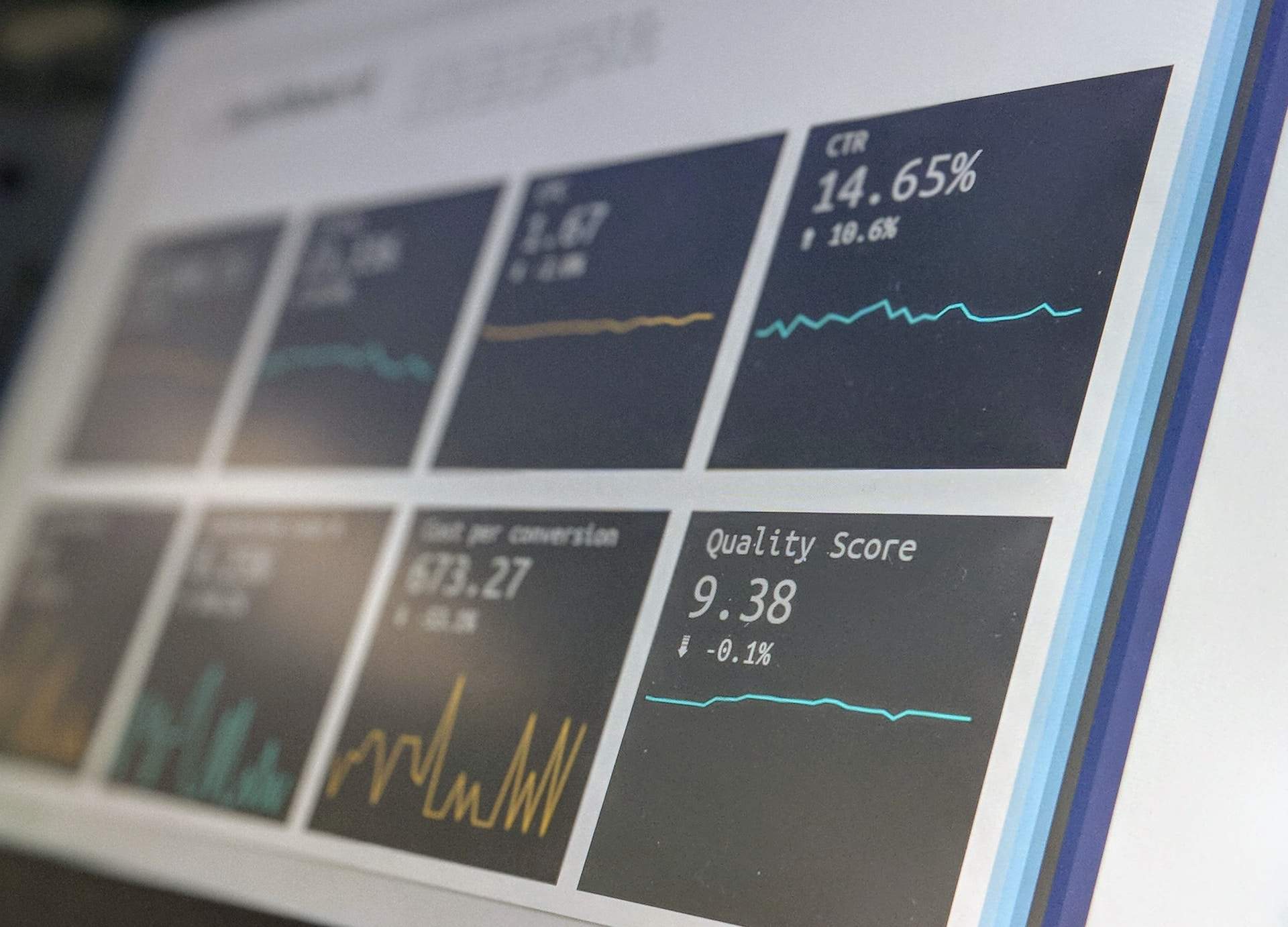
Google Search Ads operate on an auction system. When someone searches for a keyword you're targeting, Google runs an instant auction to determine which ads appear and in what order. Your ad position depends on two main factors: your bid (how much you're willing to pay per click) and your Quality Score (Google's assessment of your ad relevance and landing page quality).
Here's what happens in milliseconds:
- Someone searches for a keyword
- Google identifies all advertisers bidding on that keyword
- Google calculates each advertiser's Ad Rank (bid × Quality Score)
- The highest-ranking ads appear at the top of search results
- When someone clicks your ad, you pay your bid amount
The beauty of this system is that you only pay when someone actually clicks your ad. If your ad shows 1,000 times but gets zero clicks, you pay nothing. This pay-per-click model makes Search Ads particularly attractive for businesses with limited budgets.
Why NZ Businesses Should Use Google Search Ads in 2026
The New Zealand digital advertising landscape has matured significantly. More Kiwi consumers than ever start their purchasing journey with a Google search, and competition for organic rankings has intensified. Here's why Search Ads matter in 2026:
Immediate visibility: Unlike SEO, which can take months to show results, Search Ads put you at the top of search results immediately. Launch a campaign today, and you could be driving traffic by tomorrow.
High intent traffic: People searching for "buy standing desk Wellington" or "emergency electrician Christchurch" aren't browsing—they're ready to take action. Search Ads capture this high-intent traffic at the perfect moment.
Complete budget control: Set daily spending limits, pause campaigns instantly, and scale up or down based on performance. You're never locked into long-term commitments.
Measurable ROI: Track every click, conversion, and dollar spent. Google Ads provides transparent reporting so you know exactly what's working and what isn't.
Local targeting: Target specific cities, regions, or even postcodes across New Zealand. Perfect for businesses serving local markets like Auckland, Wellington, or Christchurch.
In 2026, Google's AI-powered bidding strategies have become remarkably sophisticated. Smart Bidding uses machine learning to optimise your bids in real time, adjusting for factors like device, location, time of day, and user intent. For NZ businesses, this means you're competing more effectively without needing to manually adjust bids dozens of times per day.
Types of Google Search Campaigns
Not all Search campaigns are created equal. Understanding the different types helps you choose the right approach for your business goals.
Standard Search Campaigns give you full control over keywords, ad copy, bids, and targeting. You choose which search terms trigger your ads and craft specific messages for each keyword group. This approach works well when you want granular control and have the time to optimise regularly.
Dynamic Search Ads automatically generate ad headlines based on your website content. Google scans your site, matches user searches to relevant pages, and creates ads dynamically. This works particularly well for ecommerce stores with large product catalogues, though it requires a well-structured website.
Performance Max campaigns represent Google's latest evolution, combining Search with Display, YouTube, Gmail, and Discover placements. Google's AI optimises across all channels automatically. While this reduces manual control, many NZ businesses are seeing strong results with less hands-on management required.
Responsive Search Ads let you provide multiple headlines and descriptions. Google tests different combinations to find what performs best. This format has become the default in 2026, as it allows Google's machine learning to continually improve your ad performance.
For most NZ businesses starting out, Standard Search Campaigns with Responsive Search Ads offer the best balance of control and automation.
What Do Google Search Ads Cost in New Zealand?
The most common question we hear is: "How much will Google Ads cost me?" The answer depends entirely on your industry, competition, and goals.
In New Zealand, cost per click (CPC) varies dramatically by keyword:
- Competitive industries (legal, finance, insurance): $5 to $15+ per click
- Trades and services (plumbing, electricians): $3 to $8 per click
- Retail and ecommerce: $0.50 to $3 per click
- Niche products or services: $0.30 to $2 per click
These are rough averages—specific keywords can cost more or less. "Lawyer Auckland" will cost significantly more than "buy garden gnomes NZ."
Most New Zealand businesses should budget at least $30 to $50 per day ($900 to $1,500 per month) to see meaningful results. Smaller budgets can work for very niche products or low-competition keywords, but you'll gather data slowly.
Here's what matters more than total budget: return on investment. If you're spending $1,500 per month and generating $6,000 in revenue, that's excellent. If you're spending $500 and generating nothing, that's a waste. Focus on ROI, not just cost.
In 2026, costs have risen modestly compared to previous years as more businesses compete for visibility. However, improved targeting and bidding strategies often offset these increases with better conversion rates.
Getting Started with Google Search Ads
Launching your first Search campaign doesn't require a massive budget or technical expertise, but it does require strategy.
Start with keyword research. Identify the terms your customers actually use when searching for your products or services. Tools like Google's Keyword Planner show search volume and competition levels for New Zealand specifically. Focus on keywords with clear commercial intent—words like "buy," "hire," "near me," or "price" indicate someone ready to take action.
Structure your campaigns logically. Group related keywords together into ad groups. If you're a plumber, you might have separate ad groups for "emergency plumbing," "hot water cylinders," and "bathroom renovations." Each ad group gets tailored ad copy that matches the search intent.
Write compelling ad copy. Your headline should include the keyword and a clear benefit. Your description should address why someone should choose you and include a strong call to action. In 2026, adding site link extensions, callout extensions, and structured snippets significantly improves ad performance.
Optimise your landing pages. The page someone lands on after clicking your ad matters enormously. It should be fast loading, mobile friendly, and directly relevant to the search query. If someone searches "buy running shoes Auckland" and lands on your homepage, they'll likely bounce.
Set up conversion tracking. This is critical. Without tracking, you're flying blind. Set up tracking for purchases, form submissions, phone calls, or whatever action matters to your business. Google Tag Manager makes this straightforward even for non-technical users.
Start conservatively, then scale. Begin with a modest daily budget and a focused set of keywords. Monitor performance closely for the first few weeks. Once you identify what's working, increase budget on high-performing campaigns and pause or refine underperformers.
For many NZ businesses, managing Search Ads effectively while running a business proves challenging. The platform updates constantly, and what worked last month might not work today. This is where expert management pays for itself—someone actively optimising your campaigns, testing new approaches, and staying current with platform changes.
Ready to Launch Your Google Search Campaigns?
Google Search Ads offer New Zealand businesses a direct line to customers actively searching for what they offer. Whether you're a local tradie, an ecommerce store, or a professional service, Search Ads can drive qualified traffic and measurable revenue.
The key is strategic execution: choosing the right keywords, writing compelling ads, optimising landing pages, and continually refining based on performance data. In 2026, the businesses winning with Search Ads aren't necessarily spending the most—they're the ones making smarter decisions based on real data.
Book a free discovery session with Bump Digital and we'll show you exactly how Google Search Ads could work for your business. We'll review your current setup (if you have one), identify opportunities, and give you a clear plan, whether you work with us or not. No sales pitch, just honest advice from a team that manages Search campaigns for NZ businesses every day.



.webp)

%20(1).jpg)
.jpg)
.jpg)
.jpg)
%20(1).jpg)
%20(1).jpg)
.jpg)
.jpg)
.jpg)
.jpg)
%20(1).jpg)
.jpg)
.jpg)
.jpg)
.jpg)
.jpg)
.jpg)
.jpg)
.jpg)

.jpg)


.webp)





.jpg)








.jpg)


Ready to bump up your growth?
Get in touch.

